Nikolas
Practical Scrum habits for teams that want to flow.

How we work
We have an informal meeting to listen to your situation, struggles, and goals. We listen to what’s important to you and your organization. If we should later help you and your org, we first need to deeply understand your needs.
Once we understand your needs, let’s turn them into a possible solution. We come up with a proposal (or maybe 2-3 proposals) of “how can we help you and your org”. We discuss with you and try to adjust to something that makes all of us excited.
If you like our offer and want to cooperate, let’s make a deal. It will help us to set and clarify expectations and is needed so that we can start the real work with you and your team or wider organization.
Once we understand your needs, agree on the solution, and have a deal, let’s finally get to work. Especially if we agree on some longer-term collaboration, we consistently check for feedback and can adjust to better meet the needs of your organization and you.
The team
Practical Scrum habits for teams that want to flow.
Product clarity, predictable delivery, and connected teams.
Team leadership built on trust, ownership, and shared success.
Step 01
We start with a candid conversation about your context, ambitions, and the friction your people are experiencing. This is not a sales pitch disguised as a workshop; it is a chance to understand whether we can genuinely help.
We listen for the decisions that feel hard, the work that feels stuck, and the outcomes that matter most.
Step 02
We turn the conversation into a focused plan: the problem to address, the outcomes to improve, the people to involve, and a practical way to begin.
The plan is designed for your organisation—not a generic transformation playbook—and makes the next decisions and trade-offs visible.
Step 03
We share the plan, test the assumptions, and make sure the people involved have a common understanding of the purpose, scope, and expectations.
Only when we agree that the work is worth doing—and how we want to work together—do we move forward.
Step 04
We work with your people to put the plan into practice. That can mean facilitation, coaching, improving product and delivery habits, or helping teams make their work visible.
We learn as we go, make progress observable, and build capability that remains with the organisation.
“I’m one bug away from being finished” is not a delivery strategy. Predictable delivery is a system that helps leaders and teams answer key questions: When will it be done? What can we deliver? What value will we bring to our customers in the next release?
“We just work here” is a signal that people do not see the purpose, the customer, or their influence on the result. Ownership comes from understanding the problem and being trusted to solve it. We coach Product Managers to share their vision and include the development team so that everyone feels part of the solution and knows their work matters.
Owning Jira does not make a team Agile, just as owning a guitar does not make someone a rock star. Agile is not the goal. Better outcomes and better decisions are.
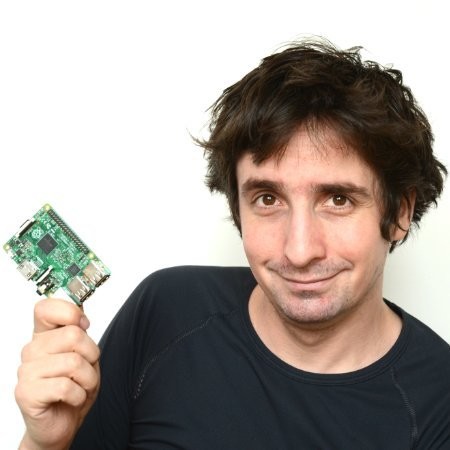
Scrum Master
Nikolas is a technical Scrum Master who helps teams replace process noise with simple, practical habits that make delivery easier and more reliable.

Product leader
Tomas helps product organisations turn uncertainty into useful decisions, sustainable focus, and delivery they can trust.
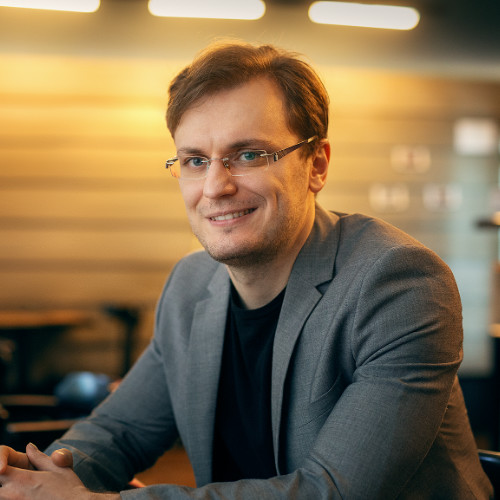
Collaboration expert
Michal helps leaders build teams where company success and team success guide everyday decisions—not individual optimisation or simply getting tasks done.